
As a large ocean country, Aotearoa will benefit from having an inclusive & holistic ocean literacy education curriculum.
Our goal is for all programme graduates to understand the ocean’s influence on us and our influence on the ocean. Thereby fostering collective, collaborative actions that connect ancestral, indigenous, and scientific visions to allow NZ’s unique marine biodiversity to flourish.
The seven Essential Ocean Literacy Principles
The earth has one big ocean with many features.
The ocean and life in the ocean shape the features of the Earth.
The ocean is a significant influence on weather and climate.
The ocean makes the Earth habitable.
The ocean supports a great diversity of life and ecosystems.
The ocean and humans are inextricably interconnected.
The ocean is largely unexplored.
Being Ocean Literate means
Understanding the principles and concepts of the ocean
Communicating understanding in a meaningful way
Making informed, responsible decisions about the ocean and its resources
We have been inspired by the UNESCO Ocean Literacy for All (2017) publication, and the EU Commission’s EU4Ocean Coalition which brings together three communities: the Blue Schools Network, the EU4Ocean Platform (Our Founder James Nikitine has been the Co-Chair since 2019) and the Youth4Ocean Forum.
More information here.
Project Leads
James Nikitine
James Nikitine grew up on the shores of Lake Léman, in France. Of Russian and British descent, he spent his early years between the Mediterranean, the English Channel and Geneva/the French Alps, a place he still calls home. Influenced by the films of Luc Besson and James Cameron, he studied film then worked in dive tourism.
He holds a Masters of Science in Marine Systems and Policies from the University of Edinburgh (UK), and a Bachelor of Arts in European Film and World Cinemas from the University of Exeter (UK). He is a PhD researcher in extended reality (XR) in the field of marine conservation.
As a marine scientist, consultant and filmmaker, his work in the last decade has been to communicate marine science and policy issues, working with the French & UK governments, the International Union for Conservation of Nature as well as non-for-profits e.g. Pew or WWF. He founded Blue Cradle during the Covid-19 lockdown in April-June 2020.
Alicia Mallo
Alicia has worked in marine science, outdoor education and guiding and not for profit management for 20 years around the Pacific in Hawaii, Australia, Alaska, Tonga and New Zealand. Alicia has a BSc in Marine Biology and minor in Scientific Diving from Humboldt State University, Northern California and the University of Hilo Hawaii and a Masters in Marine Ecology with First Class Honours and Post Grad Dip with Distinction from the University of Auckland. She contracts her organisation management services, through her business Ika Moana, to a few not for profits in Canterbury- with dedications to environment, sustainability, conservation, civil defense and community well-being and youth development.
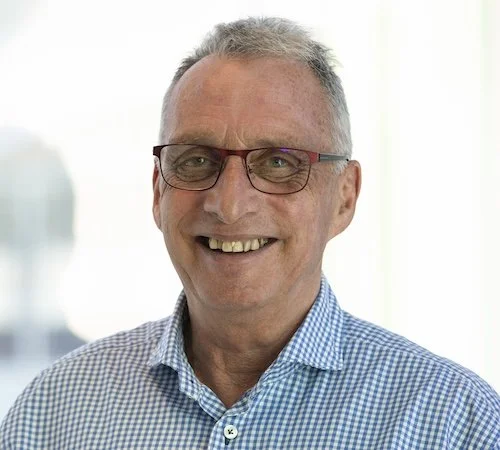
Matt Bateman
Ko Tūhua te Maunga
Ko Arahura te Awa
Ko Tūhuru te wharenui
Ko Papakura te Wharekai
Ko Arahura te Marae
Ko Ngāti Waewae te Hapū
Ko Poutini Ngāi Tahu te Iwi
No Hokitika ahau
Ko Matt Bateman toku ingoa
With over 30 years experience leading schools in Te Waipounamu, Matt brings a wealth of knowledge of culturally-responsive practice for principals and leadership teams.
His specialist skills and expertise in developing inclusive learning environments, and bringing Te Tiriti o Waitangi to life support educators and Boards to clarify perspectives, and improve culturally responsive practices within curriculum and strategic plans.
Molly Gardener
Molly has been a science educator for 20 years with focus on adult teaching in genetics and environment focus for youth. She is a magician when it comes to teacher and is an asset on our team!
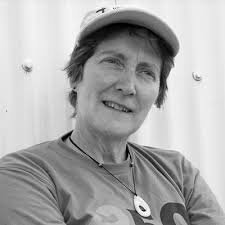
Jocelyn Papprill
Jocelyn is an educator for sustainability and an advocate for youth voice. She worked as a teacher for 25 years before ‘jumping ship’ to commit to developing educational opportunities beyond the school gate. She now works part-time for the Canterbury Regional Council [Environment Canterbury] as a Youth Engagement and Education Advisor and is also a contract facilitator for the Untouched World Foundation. Beyond work she gives her time to various environmental organisations and her local community association.
Sian Carvell
Sian Carvell (Future Curious) has worked in the education and engagement sector for over 25 years, with the majority of that focused on the natural environment and climate change. This has included classroom teaching, working for local government, and more recently, as the Director of Future Curious. Since 2015, she has supported schools, business, NGOs, and local and central government to authentically engage with children and young people via resource development and facilitation.